
AEK Larnaca
AEK
Predicted
1-1

Beitar Jerusalem
BEI
Prematch prediction
AEK Larnaca’s defensive discipline meets Beitar Jerusalem’s explosive attack in a Europa Conference League qualifier balanced on razor-thin margins.
AEK Larnaca
AEK
Predicted
1-1
Beitar Jerusalem
BEI
Analysis video
AEK Larnaca host Beitar Jerusalem in the Europa Conference League qualifiers as contrasting styles, fierce heat and a tense first leg collide.
AEK Larnaca’s defensive discipline meets Beitar Jerusalem’s explosive attack in a Europa Conference League qualifier balanced on razor-thin margins.
## Match Context
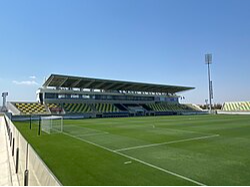
Europa Conference League qualifiers have a habit of feeling like midsummer chess matches played inside a furnace, and this one arrives exactly in that mood. AEK Larnaca host Beitar Jerusalem at the compact but intense AEK Arena - George Karapatakis, where just over 8,000 supporters can make the place sound twice its size. The weather may become its own tactical subplot too: clear skies and 34°C at kickoff in Larnaca is the sort of heat that punishes reckless pressing and rewards disciplined possession. With this being the first leg of the 2nd Qualifying Round, the tension is obvious. Nobody wants to hand away momentum before the return fixture, especially in a competition where tiny details can shape an entire European campaign. ## Recent Form
Neither side arrives surfing a tidal wave of victories, but the numbers still lean toward Beitar Jerusalem. The “Form Index (Last 5)” chart paints a stark contrast, with Beitar posting a rating of 15 compared to AEK Larnaca’s 3. AEK’s last five have produced no wins, just two draws and three defeats, alongside only one goal scored and seven conceded. It is hard to build rhythm with that attacking return. Beitar’s sample size is smaller and less explosive on paper, yet they remain unbeaten in their recent stretch. The underlying feeling is that AEK have looked cautious and blunt, while Beitar arrive with slightly steadier momentum and fewer scars. ## Head to Head
History between these clubs reads like a diplomatic negotiation rather than a football rivalry. The “Head-to-Head Results” chart shows two meetings, two draws, zero home wins, zero away wins. Even more remarkably, the “Head-to-Head Goals” graphic sits at 0-0 overall. That tells you everything about the psychological tone entering this tie: neither side has managed to land a decisive punch. There is no inherited dominance here, no giant historical shadow hanging over the fixture. Instead, the previous meetings suggest a tense tactical battle where patience matters more than swagger. The danger for both managers is that one moment of carelessness could finally break a deadlock that has stubbornly survived every prior encounter. ## Team Stats
The statistical profile of this matchup is deliciously contradictory. On the “Overall Strength” chart both clubs sit level at 50, yet they arrive there through completely different identities. AEK Larnaca’s radar profile screams defensive structure, carrying a strong defensive rating of 79 but a worrying attack score of 29. Beitar Jerusalem are the footballing equivalent of a sports car with questionable brakes: an explosive attack rating of 88 paired with a defensive mark of 35. The key analytical edge is clear — Beitar’s attack ranks nine points higher than AEK’s defensive unit. That duel could define the tie. If AEK successfully slow the tempo and force Beitar wide, they can frustrate the visitors. If the game becomes stretched, Beitar’s attacking quality suddenly looks extremely dangerous. ## Difference Makers
Every European qualifier eventually becomes about individuals willing to seize chaos, and Beitar Jerusalem possess the standout headline act. Yarden Shua has been directly involved in 36% of Beitar’s tracked goal involvements in this competition, a staggering share that makes him the attacking heartbeat of the side. Whether dropping into pockets or dragging defenders into uncomfortable areas, he is the player AEK simply cannot lose sight of. Omer Atzili adds another layer of danger from the wing with his finishing threat and movement. For AEK Larnaca, Djordje Ivanovic carries the burden of providing cutting edge after scoring twice in this competition already, while Hrvoje Milicevic and Mike van der Hoorn will be asked to survive a long evening against Beitar’s aggressive front line. Gus Ledes may quietly become crucial too, acting as the midfield screen in front of that heavily tested defense. ## Lineups
AEK Larnaca’s official 4-1-4-1 setup tells you exactly how they intend to approach this first leg: compact, patient and structurally careful. Gus Ledes sitting in front of the back four is a clear attempt to clog central spaces and deny Yarden Shua easy service. The inclusion of Jorge Miramón and Amor Layouni out wide suggests AEK still want transitions when opportunities appear, but much of the attacking responsibility will fall on Djordje Ivanovic supporting lone striker Riad Bajic. Beitar Jerusalem counter with a bold 4-3-3 that practically waves a flag reading “we came to attack.” Atzili, Ansah and Shua form a lively front three, while the midfield trio of Worko, Enow and Mucha should provide energy rather than caution. The benches are interesting too: Beitar can introduce extra attacking thrust through Johnbosco Samuel Kalu and Timothy Muzie, while AEK have experienced wide options such as Waldo Rubio available if they need more creativity late on. ## Prediction
The model leans toward Beitar Jerusalem, and the reasoning is rooted in attacking upside. The “Win Probability” chart gives Beitar a 53% chance of victory compared to 24% for AEK Larnaca, while expected goals project a 1.68 to 1.05 advantage for the visitors. Recent form and attacking strength are the heaviest weighted factors driving that edge, even though AEK retain advantages in defensive structure and home conditions. The confirmed lineups reinforce the idea of contrasting approaches: AEK aiming to control damage, Beitar aiming to create volume. Yet the most likely scoreline remains 1-1, which perfectly fits the cautious history between these teams and the first-leg tension surrounding the tie. Expect stretches of tactical stalemate interrupted by moments of real attacking quality, especially from Beitar’s front line. Prediction: 1-1 draw, with Beitar still looking the more dangerous side across the broader balance of play.
**Predicted score:** 1-1 **Model confidence:** 86%
Europa Conference League qualifiers have a habit of feeling like midsummer chess matches played inside a furnace, and this one arrives exactly in that mood. AEK Larnaca host Beitar Jerusalem at the compact but intense AEK Arena - George Karapatakis, where just over 8,000 supporters can make the place sound twice its size. The weather may become its own tactical subplot too: clear skies and 34°C at kickoff in Larnaca is the sort of heat that punishes reckless pressing and rewards disciplined possession. With this being the first leg of the 2nd Qualifying Round, the tension is obvious. Nobody wants to hand away momentum before the return fixture, especially in a competition where tiny details can shape an entire European campaign.
Neither side arrives surfing a tidal wave of victories, but the numbers still lean toward Beitar Jerusalem. The “Form Index (Last 5)” chart paints a stark contrast, with Beitar posting a rating of 15 compared to AEK Larnaca’s 3. AEK’s last five have produced no wins, just two draws and three defeats, alongside only one goal scored and seven conceded. It is hard to build rhythm with that attacking return. Beitar’s sample size is smaller and less explosive on paper, yet they remain unbeaten in their recent stretch. The underlying feeling is that AEK have looked cautious and blunt, while Beitar arrive with slightly steadier momentum and fewer scars.
History between these clubs reads like a diplomatic negotiation rather than a football rivalry. The “Head-to-Head Results” chart shows two meetings, two draws, zero home wins, zero away wins. Even more remarkably, the “Head-to-Head Goals” graphic sits at 0-0 overall. That tells you everything about the psychological tone entering this tie: neither side has managed to land a decisive punch. There is no inherited dominance here, no giant historical shadow hanging over the fixture. Instead, the previous meetings suggest a tense tactical battle where patience matters more than swagger. The danger for both managers is that one moment of carelessness could finally break a deadlock that has stubbornly survived every prior encounter.
The statistical profile of this matchup is deliciously contradictory. On the “Overall Strength” chart both clubs sit level at 50, yet they arrive there through completely different identities. AEK Larnaca’s radar profile screams defensive structure, carrying a strong defensive rating of 79 but a worrying attack score of 29. Beitar Jerusalem are the footballing equivalent of a sports car with questionable brakes: an explosive attack rating of 88 paired with a defensive mark of 35. The key analytical edge is clear — Beitar’s attack ranks nine points higher than AEK’s defensive unit. That duel could define the tie. If AEK successfully slow the tempo and force Beitar wide, they can frustrate the visitors. If the game becomes stretched, Beitar’s attacking quality suddenly looks extremely dangerous.
Every European qualifier eventually becomes about individuals willing to seize chaos, and Beitar Jerusalem possess the standout headline act. Yarden Shua has been directly involved in 36% of Beitar’s tracked goal involvements in this competition, a staggering share that makes him the attacking heartbeat of the side. Whether dropping into pockets or dragging defenders into uncomfortable areas, he is the player AEK simply cannot lose sight of. Omer Atzili adds another layer of danger from the wing with his finishing threat and movement. For AEK Larnaca, Djordje Ivanovic carries the burden of providing cutting edge after scoring twice in this competition already, while Hrvoje Milicevic and Mike van der Hoorn will be asked to survive a long evening against Beitar’s aggressive front line. Gus Ledes may quietly become crucial too, acting as the midfield screen in front of that heavily tested defense.
AEK Larnaca’s official 4-1-4-1 setup tells you exactly how they intend to approach this first leg: compact, patient and structurally careful. Gus Ledes sitting in front of the back four is a clear attempt to clog central spaces and deny Yarden Shua easy service. The inclusion of Jorge Miramón and Amor Layouni out wide suggests AEK still want transitions when opportunities appear, but much of the attacking responsibility will fall on Djordje Ivanovic supporting lone striker Riad Bajic. Beitar Jerusalem counter with a bold 4-3-3 that practically waves a flag reading “we came to attack.” Atzili, Ansah and Shua form a lively front three, while the midfield trio of Worko, Enow and Mucha should provide energy rather than caution. The benches are interesting too: Beitar can introduce extra attacking thrust through Johnbosco Samuel Kalu and Timothy Muzie, while AEK have experienced wide options such as Waldo Rubio available if they need more creativity late on.
The model leans toward Beitar Jerusalem, and the reasoning is rooted in attacking upside. The “Win Probability” chart gives Beitar a 53% chance of victory compared to 24% for AEK Larnaca, while expected goals project a 1.68 to 1.05 advantage for the visitors. Recent form and attacking strength are the heaviest weighted factors driving that edge, even though AEK retain advantages in defensive structure and home conditions. The confirmed lineups reinforce the idea of contrasting approaches: AEK aiming to control damage, Beitar aiming to create volume. Yet the most likely scoreline remains 1-1, which perfectly fits the cautious history between these teams and the first-leg tension surrounding the tie. Expect stretches of tactical stalemate interrupted by moments of real attacking quality, especially from Beitar’s front line. Prediction: 1-1 draw, with Beitar still looking the more dangerous side across the broader balance of play.
AEK Larnaca24% winBeitar Jerusalem53% win
Team analysis
Chelsea Daily News Roundup: Delap and Parrott Transfer Talk - July 24, 2026

Team analysis
Liverpool Daily News Roundup: Transfers and Defensive Concerns July 24, 2026

Team analysis
Manchester City Daily News Roundup: Guardiola Links and Anderson Arrival

Team analysis
Manchester United Daily News Roundup: Transfers and Rival Taunts - July 24, 2026